


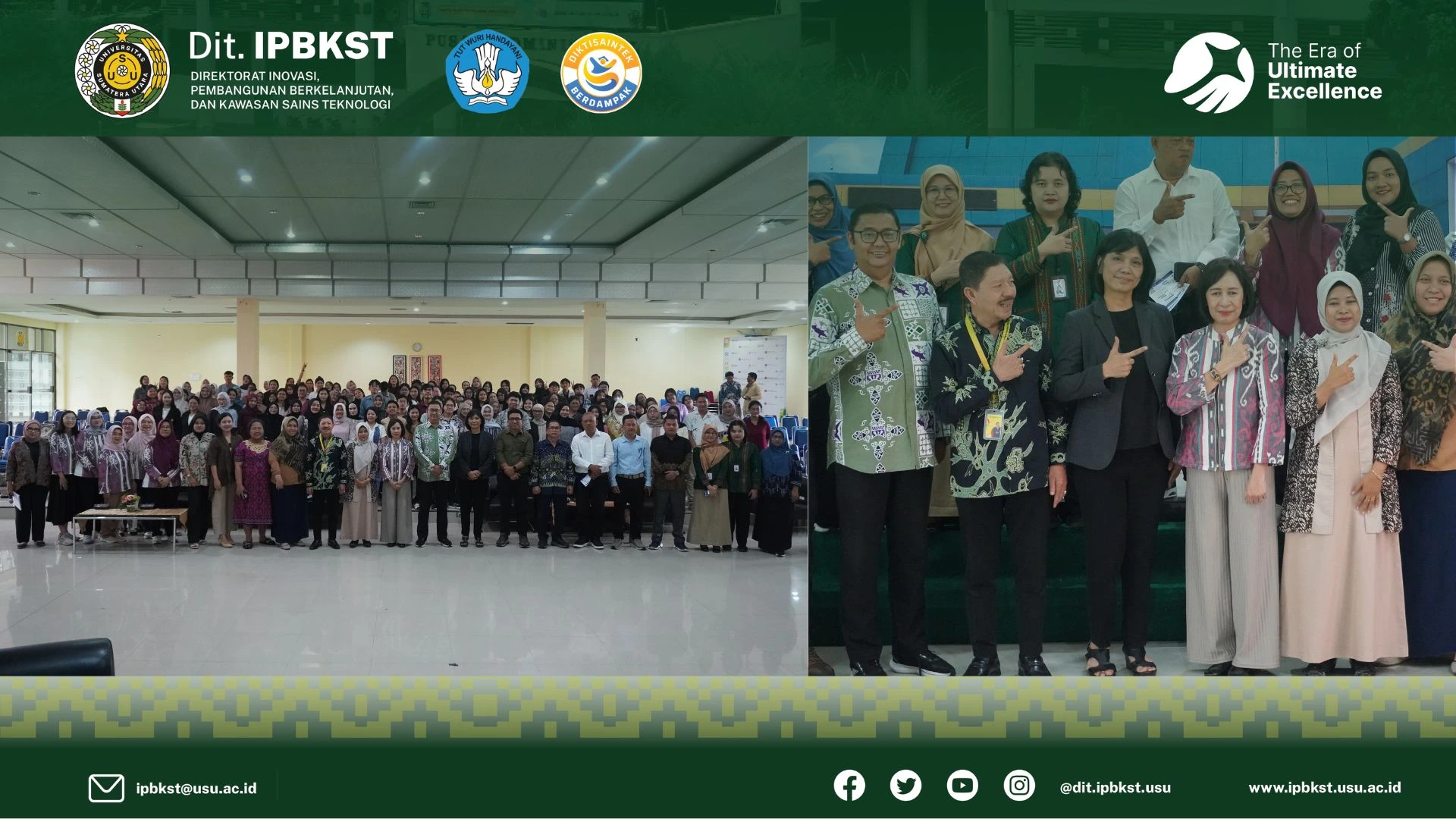
Universitas Sumatera Utara (USU), through the Directorate of Innovation, Sustainable Development, and Science and Technology Parks (Dit. IPBKST), in collaboration with the Indonesian Food and Drug Supervisory Agency (BPOM RI), organized a workshop on Regulatory Literacy for Drugs, Health Supplements, and Cosmetics at the USU Faculty of Pharmacy. This event is part of an effort to enhance the academic community’s understanding of regulatory aspects and requirements related to the development, production, distribution, and use of health products.
The regulatory literacy session covered various aspects related to herbal medicines, quasi-drugs, health supplements, and cosmetics, including licensing requirements, safety, quality, benefits, and compliance with applicable standards. The material presented helped participants understand the importance of ensuring that products—whether developed or used—comply with the regulatory requirements established by the government.
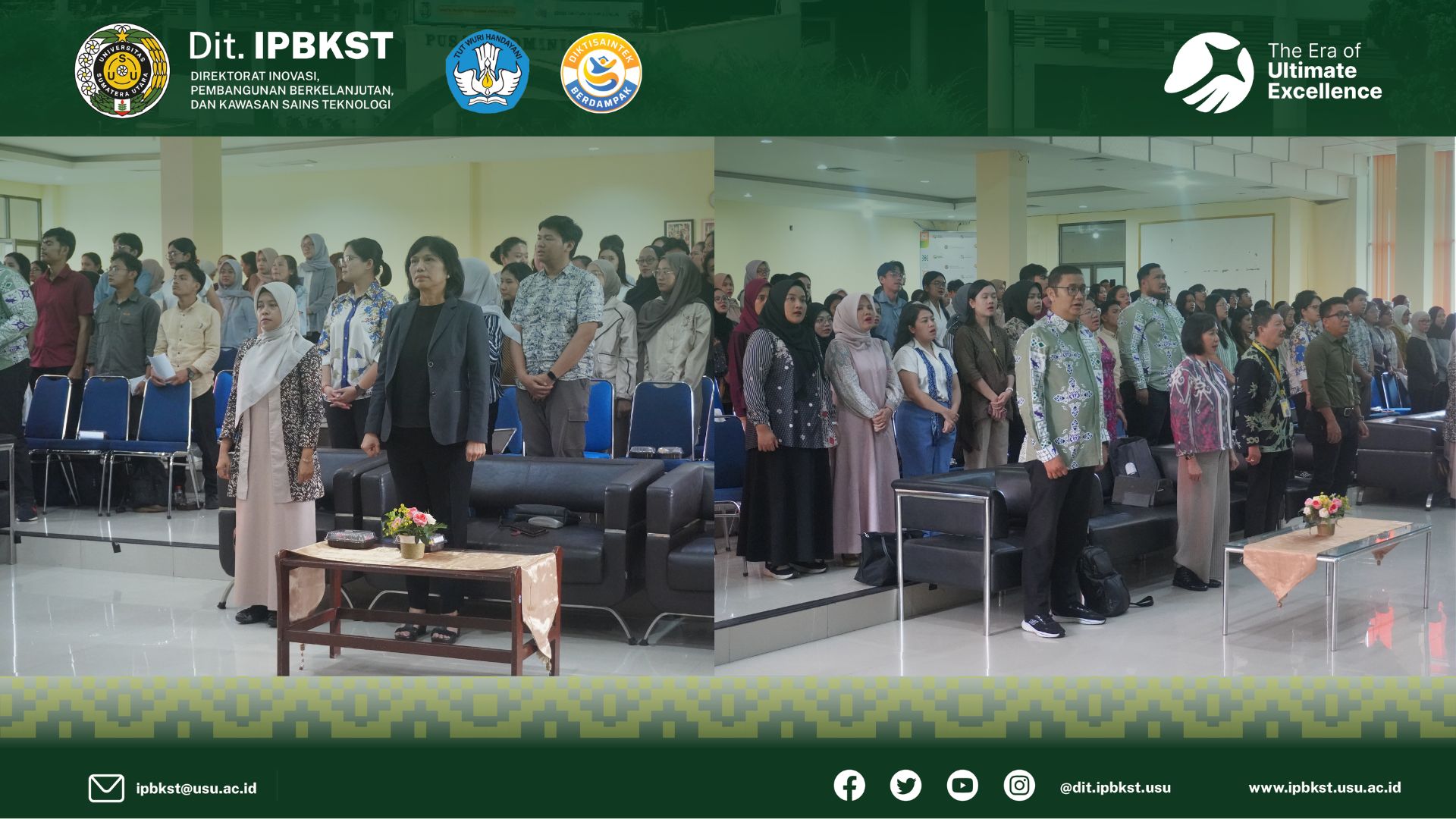
The collaboration between the IPBKST Directorate at USU and the Indonesian Food and Drug Administration (BPOM RI) in this initiative also serves as a strategic step toward strengthening the research and innovation ecosystem within the higher education sector. Understanding regulations is a key aspect of the process of commercializing research outcomes, particularly for innovations with the potential to be developed into natural medicine, quasi-drugs, health supplements, or cosmetics.
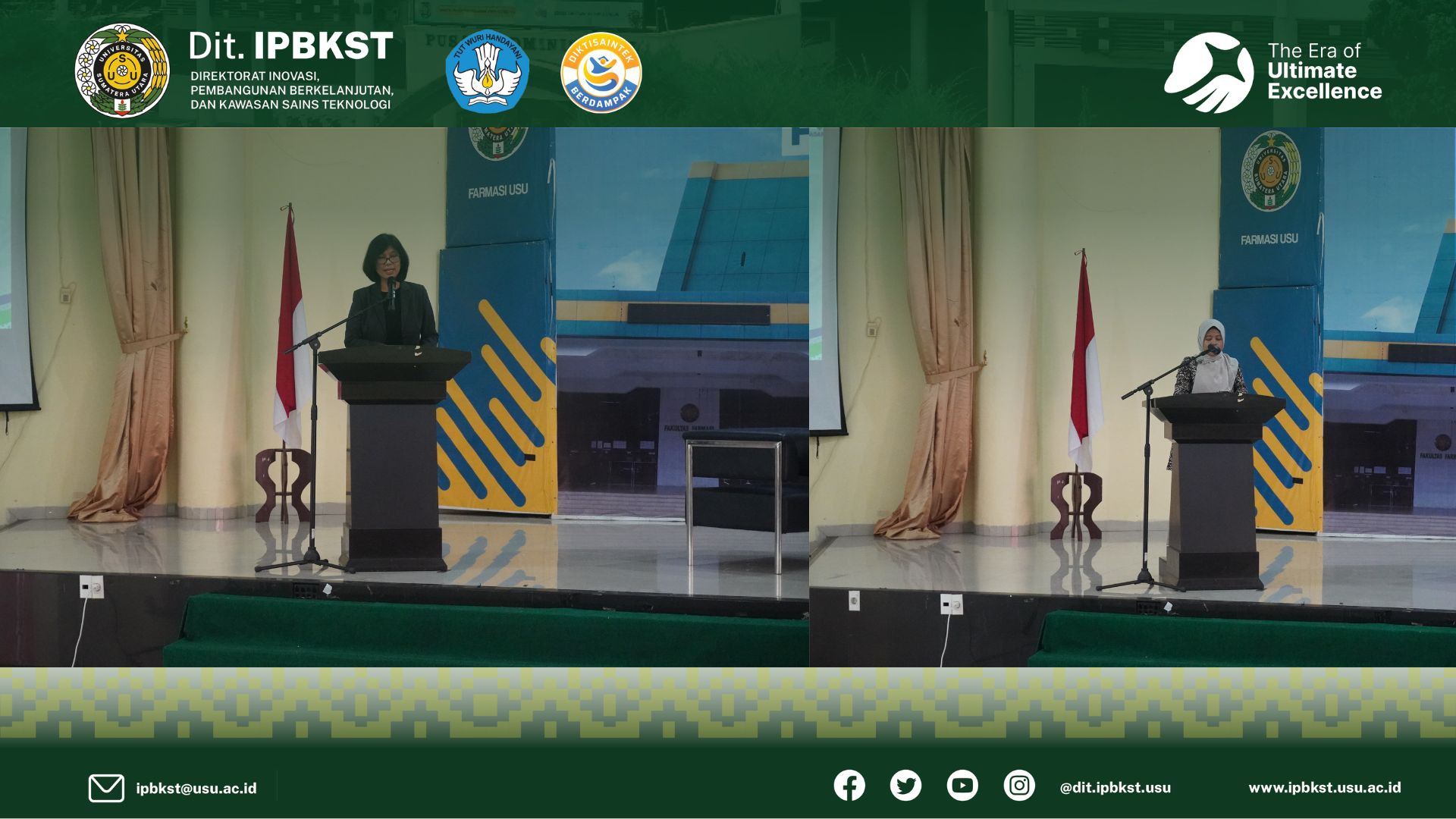
Through this activity, the academic community is expected not only to understand regulatory aspects but also to be able to apply that knowledge appropriately in research, product development, and the use of health products. Regulatory literacy is also expected to foster innovation that meets standards for safety, quality, and benefits, as well as compliance with applicable regulations.
This activity aligns with USU’s commitment to supporting the achievement of the Sustainable Development Goals (SDGs), particularly SDG 3: Good Health and Well-Being. Improving literacy and awareness regarding the safety and quality of health products is a crucial part of fostering a healthier society that is well-informed in selecting and using health products.
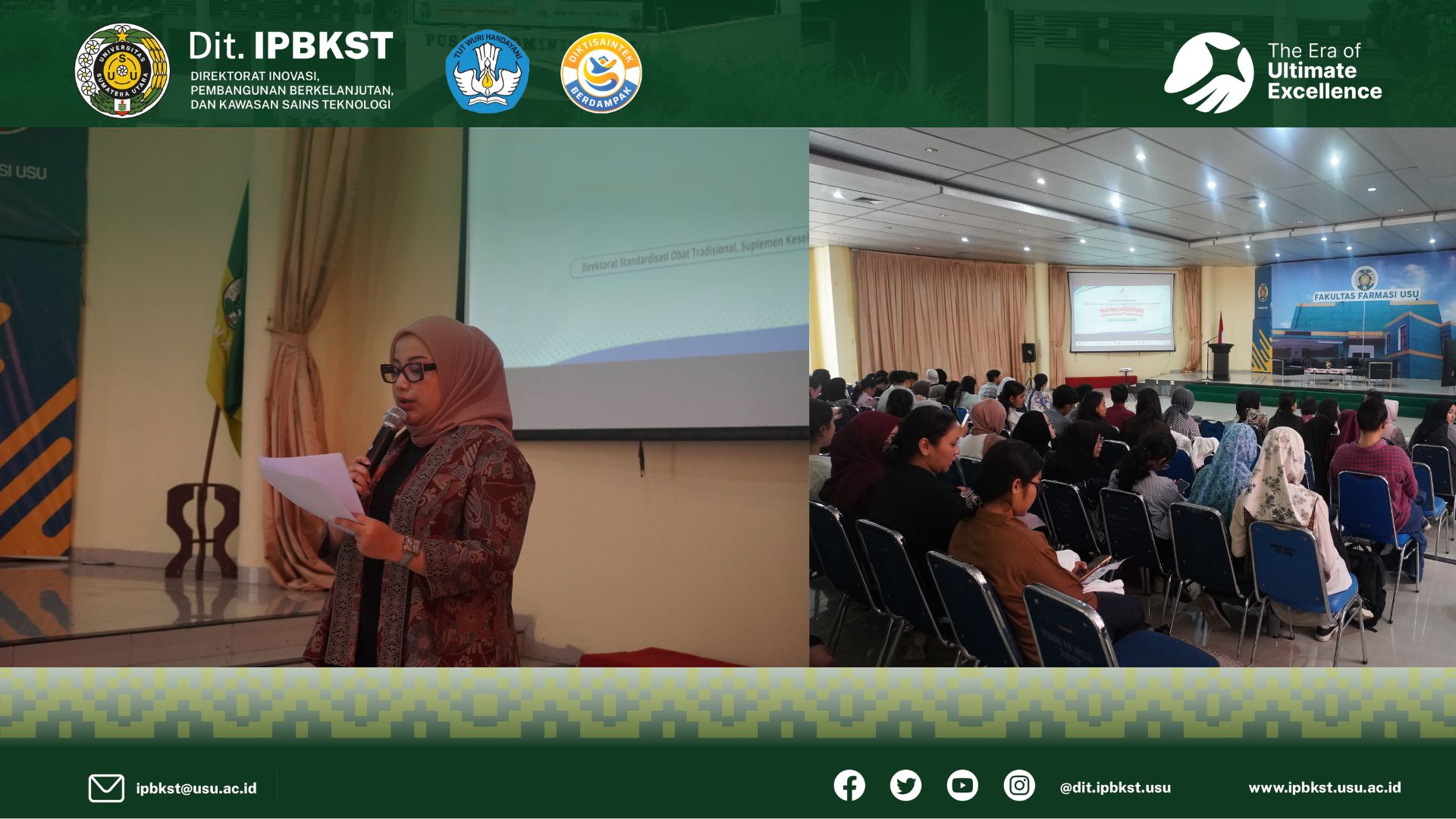
Through collaboration between universities and regulatory agencies, regulatory literacy initiatives are expected to continue to be developed as a platform for educating and building the capacity of the academic community, while also supporting responsible research and innovation that is focused on benefiting society.