


.webp)
The training brought together innovation leaders and managers from various universities in Indonesia to gain a more comprehensive understanding of technology transfer governance, strategies for commercializing research outcomes, strengthening intellectual property protection, and developing partnership models with the business and industrial sectors. Through this program, participants were encouraged to build an innovation ecosystem capable of linking research outcomes to the needs of society and the industrial sector.
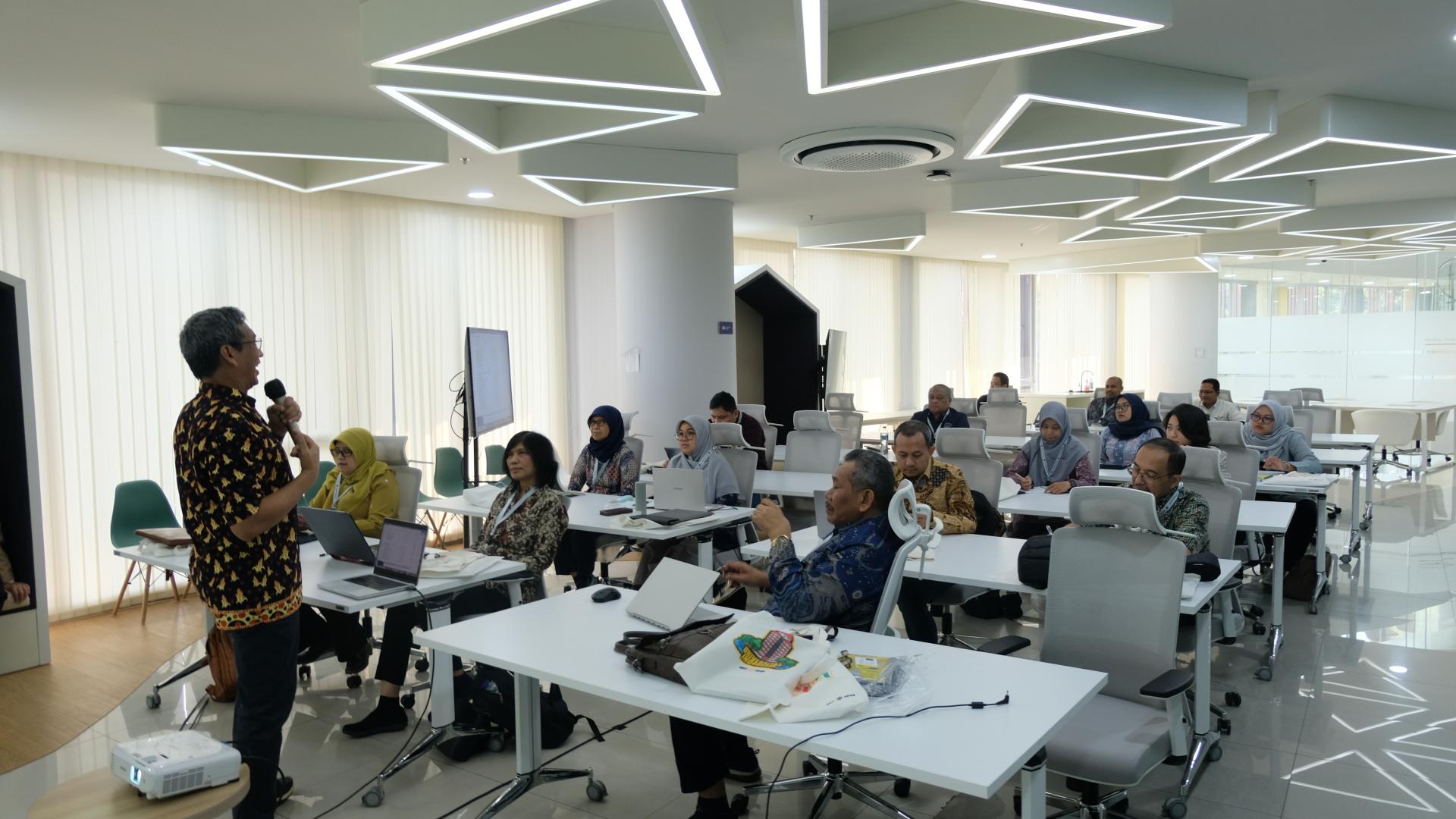
During the training, participants received instruction from academics, practitioners, and experts in the fields of innovation, technology transfer, and intellectual property management. A variety of strategic topics were discussed, ranging from intellectual property portfolio management, improving the Technology Readiness Level (TRL), technology licensing strategies, the formation of research-based spin-off companies, to optimizing collaboration between universities, the government, and the industrial sector in driving the commercialization of innovations.
The participation of the Director of the IPBKST Directorate at USU in this event reflects the University of North Sumatra’s commitment to continuously enhancing its institutional capacity in the areas of innovation and research commercialization. Strengthening the competencies of innovation managers is one of the strategic steps taken to support the transformation of research outcomes into products, technologies, and services that have economic value and provide tangible benefits to society.
As the unit responsible for innovation management at the University of North Sumatra, the IPBKST Directorate continues to promote the creation of an integrated innovation ecosystem by strengthening intellectual property protection, providing guidance on the commercialization of research outcomes, developing innovation incubation programs, and expanding partnership networks with various stakeholders. These efforts are expected to increase the number of innovations ready for commercialization and strengthen the university’s contribution to supporting national development based on science and technology.
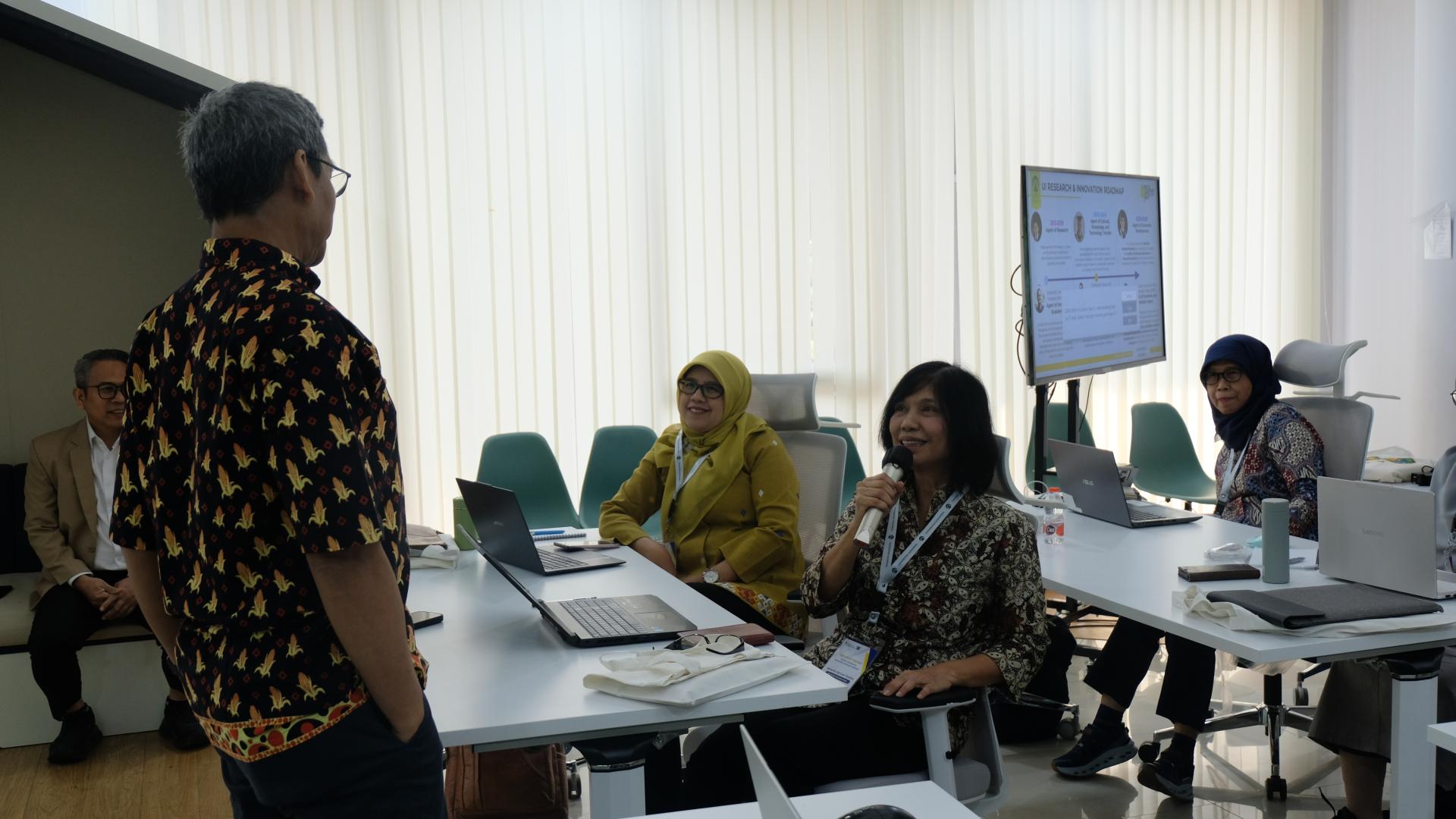
In addition to serving as a means of capacity building, this activity also opens opportunities for the University of North Sumatra to expand its collaboration with various universities, government agencies, the business sector, and other strategic partners. The exchange of experiences and best practices during the training is expected to strengthen the implementation of research commercialization programs at USU and improve the quality of sustainability-oriented innovation governance.
Through its active participation in this High Impact Training, the University of North Sumatra reaffirms its commitment to continue supporting research development that not only produces high-quality academic outputs but also generates economic, social, and technological impacts through technology transfer and the commercialization of intellectual property. This step is a crucial part of establishing the University of North Sumatra as a leading institution in innovation, globally competitive, and contributing to sustainable development.
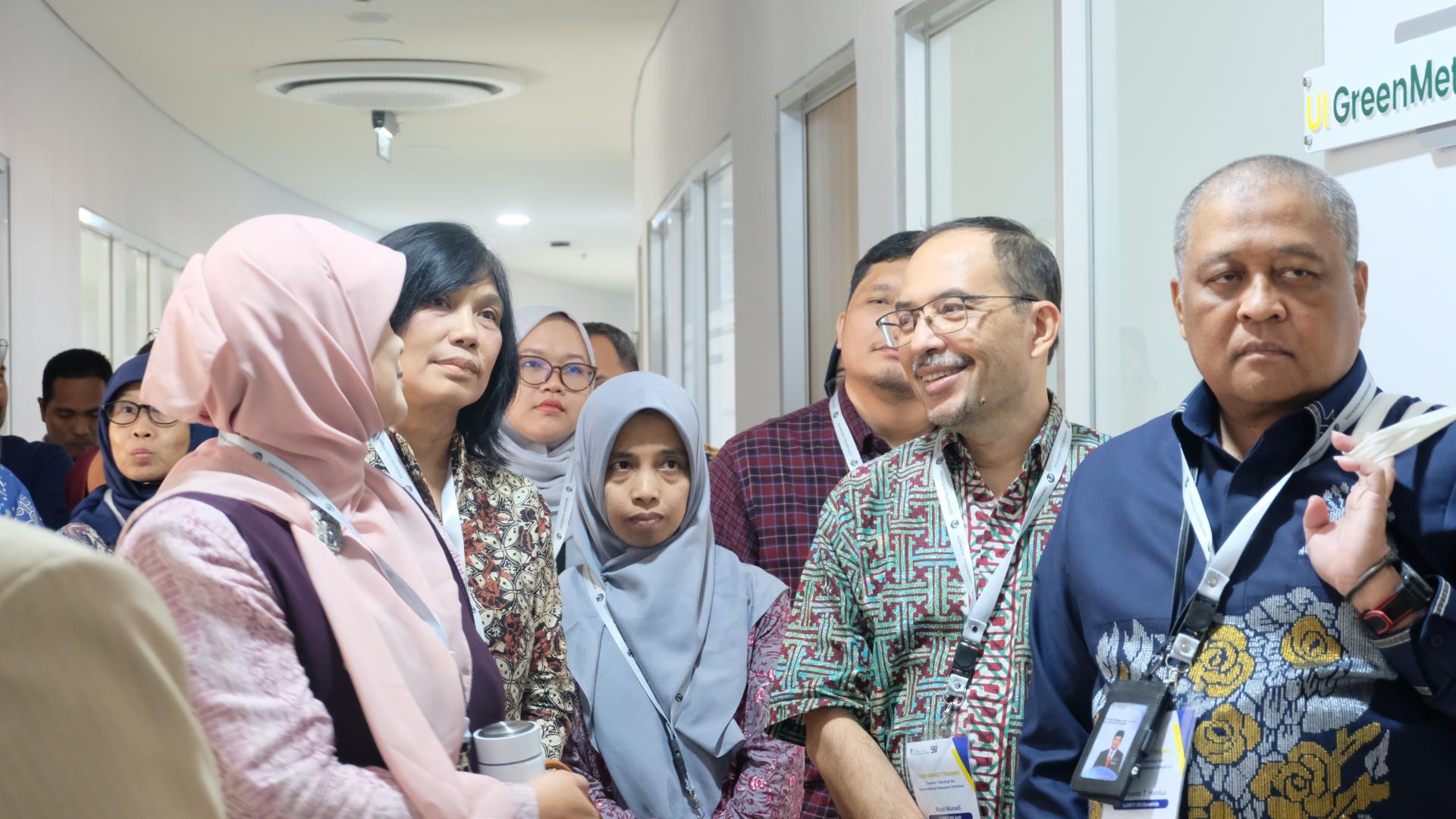
This initiative is also in line with the University of North Sumatra’s commitment to supporting the achievement of the Sustainable Development Goals (SDGs), particularly SDG 4 (Quality Education) through capacity building for human resources in the fields of innovation and intellectual property management; SDG 9 (Industry, Innovation, and Infrastructure) through strengthening technology transfer, the commercialization of research, and innovation development; and SDG 17 (Partnerships for the Goals) by strengthening collaboration among universities, the government, the business sector, and various strategic partners in building a sustainable innovation ecosystem.